
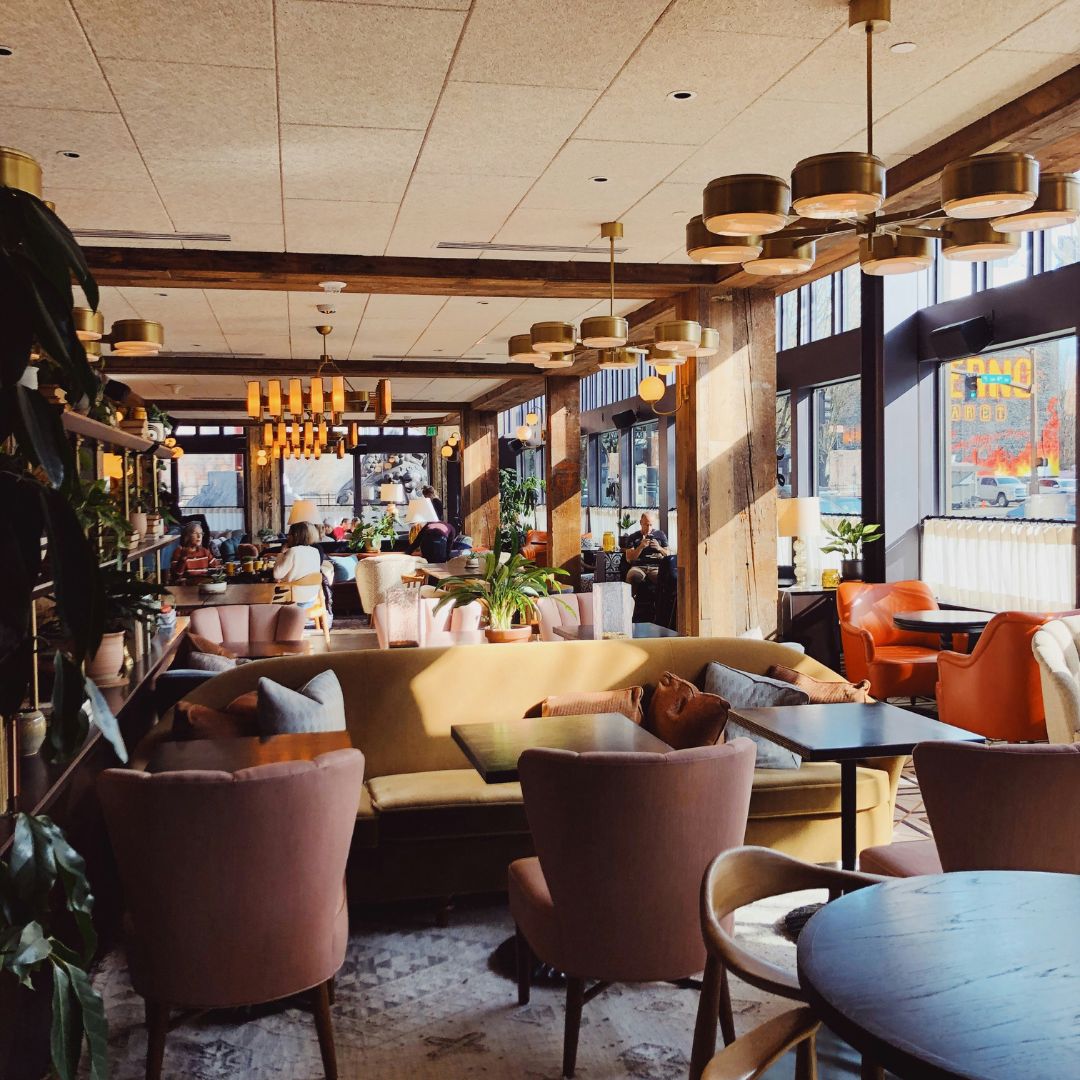
Hybrid hospitality has revolutionised the industry, causing a fundamental shift in how hospitality brands are built, operated and experienced.
Across the world, the number of brands blending short stays with long stays, F&B with coworking, and wellness with community programming is growing fast. But launching a successful hybrid brand isn’t just about having a great concept. It’s about knowing how to market it.
And what gets overlooked most often is that a multi-use space needs a multi-layered marketing strategy to succeed. As well as launching a hotel, you’re launching a bar, a coworking space, a wellness studio, a cultural venue, a neighbourhood hangout and a lifestyle brand – often, all at once.
With a variety of different offerings under one roof – as well as a marketing landscape and guest behaviours that are constantly shifting and changing – here’s what we as hybrid hospitality experts would prioritise from a marketing perspective if we were launching a new brand in 2025…
1. Be ruthless about your positioning
Positioning is the foundation for everything – and with a multi-purpose concept, it’s easy to get pulled in too many directions. Just because your concept serves lots of different people doesn’t mean your brand should try to speak to all of them at once. Be clear about your primary audience, what role you play in their lives and what experience they can expect.
Your positioning should serve as a strategic filter, helping you make decisions not just in marketing but across brand, design, operations and guest experience. It should underpin your tone of voice, your content strategy, your partnerships and your programming. If it doesn’t, your brand risks becoming muddled and forgettable.
Tip: Build a detailed positioning framework including target segments, core promises, brand values and guest expectations. Make sure every team – from operations to marketing – understands and uses it.
2. Nail your brand voice and identity
Your tone of voice, visual identity and messaging need to be distinctive, coherent and emotionally engaging. Hybrid brands sit at the intersection of multiple industries – you need a brand that feels bigger than just a hotel.
In the age of AI and instant impressions, brands that blend in get ignored. Your brand voice isn’t just what you say; it’s how you say it and how people feel when they interact with you.
For hospitality – an industry built on people, connection and experience – this matters more than ever. Your visual identity and tone should reflect the energy, attitude and community you’re building, while being flexible enough to work across digital, physical and operational touchpoints.
Tip: Define your tone of voice with examples and use cases. Develop a suite of templates and brand touch points that can flex across platforms, from Instagram Reels to in-room messaging.
3. Make content a core pillar from day one
Content is no longer a nice-to-have; it’s your brand’s lifeline. It’s how people discover you, understand you and remember you. For hybrid brands, it also becomes your way of introducing a potentially unfamiliar concept. Use content to build trust, explain your offering, showcase real experiences and express your brand personality in a way that static listings or ads can’t.
You’re launching something new – and often complex – so content is also the most powerful way to educate potential guests about what to expect. The more time you invest in content upfront, the more seamless the brand experience will feel for your audience.
Tip: Hire a strategic social-first agency early. Create a bank of content pre-launch including video, photography, and UGC. Start showing up online long before your doors open.
4. Build social content around search and discovery
Social platforms are now discovery engines – and ignoring this shift is a missed opportunity for direct bookings. TikTok, Instagram, and YouTube Shorts have become vital tools for early-stage travel research and intent-driven exploration.
As of July 2025, Instagram content can now appear in Google search results. TikTok has been operating like a search engine for years. And with generative AI platforms like ChatGPT surfacing content from trusted sources, the way you structure and optimise your posts now directly impacts visibility across the wider web.
A large proportion of your future guests aren’t starting with Google – they’re searching “best boutique hotels Lisbon” on TikTok, checking your vibe on Instagram and using platforms that mirror their personalities and preferences. If your content isn’t built to show up in these places, it won’t show up at all.
Tip: Research what your ideal guests are searching for and build content around those queries. Optimise your captions, file names, video text and bios with keywords and intent.
5. Run social ads that don’t feel like ads
Paid social is still one of the most cost-effective and powerful ways to reach new guests. But bland or overly polished creative gets ignored. The best social ads blend into the feed and feel like content your guests would naturally engage with.
When done right, social ads don’t feel like ads – they feel like inspiration. They show up at the right time with the right message and feel native to the platform. For hybrid brands, this means using ads to showcase the lifestyle you represent, not just the rooms you sell.
Tip: Start by boosting organic posts that perform well. Use native formats, relatable language and emotion-led messaging. Test short videos, carousel ads and UGC-style content to see what resonates most.
6. Think about vibe-matching, not just segmentation
Traditional segmentation doesn’t cut it for hybrid brands. Your audience will span multiple types of people across age groups, behaviours, interests and geographies. What unites them though isn’t their demographics, it’s their mindset.
All guests are looking for places that ‘feel right’ to them. They want spaces that match their energy, needs and lifestyle. Your marketing needs to tap into these emotional drivers and show how your concept supports them.
Tip: Map out booking behaviours and travel motivations. Tailor your marketing to aligned demographics and specifically match the content to the feeling they’re seeking.
7. Prioritise digital PR that works with social – not separately from it
Too often, PR and social media are treated as separate silos. But the strongest brands are the ones that align the two, using insights from social to inform PR strategy, and turning PR wins into scroll-stopping social content.
A strong digital PR strategy helps you tell your story in a way that feels relevant, newsworthy and aligned with your brand values. Integrate social trends and real-time insights into PR campaigns, so your launch not only hits headlines, but lands across every channel.
Tip: Use your social content as inspiration for PR pitches and vice versa. Turn creative campaigns (like high-value competitions or pop-up activations) into PR moments. Share press features through Reels, carousels and emails, then amplify with paid media.
8. Get into guests’ inboxes early
Email marketing still delivers one of the highest ROIs in hospitality. It’s direct, owned and personal. The earlier you build your email list, the better. Start during pre-launch with updates, early bird offers and behind-the-scenes peeks to nurture brand affinity before anyone even books.
Email also gives you a reliable channel that’s not subject to algorithm changes. If your audience follows you on Instagram, that doesn’t mean they see your content. But if they’re subscribed to your list, you control the message.
Tip: Offer an incentive to sign up (like launch invites or discounts). Segment your audience from the start. Send emails people want to open: founder notes, community stories, local tips, and real guest experiences.
9. Use Google Ads to capture travellers searching with intent to book
While social channels are great for discovery, Google is still where people go when they’re ready to act – we see an average 9:1 ROI across our client portfolio when it comes to this platform. A solid Google Ads strategy helps you catch that demand at the right time and drive direct bookings, especially for high-intent searches.
Think of it as the conversion layer of your funnel. Once someone knows your brand or is looking for accommodation in your city, your ads make sure they find you – not just an OTA.
Tip: Focus on brand keywords, competitor targeting, and high-intent terms relating to your brand. Make sure your ad copy matches your landing page content and brand tone.
10. Define what community means – then build it deliberately
Community should be one of the biggest priorities when it comes to developing a hybrid concept yet it’s also one of the most misunderstood. A significant amount of time and thought needs to go into facilitating onsite community and connection. It’s about creating a feeling of belonging and shared experience, with real structure behind it.
Start small and be consistent. Build rituals that your guests come to expect. Invite them into the process. The best hybrid brands turn their guests into regulars and their regulars into advocates.
Tip: Define your community strategy upfront. Choose recurring events or rituals that make sense for your audience. Empower your regulars and team to lead. Share community stories across socials and email.
11. Give your onsite team marketing tools, not just requests
Your staff are your best brand advocates but only if they’re supported. Too often, marketing sits in a silo and the people running the space don’t know how to contribute. Make it easy for them to gather content, share feedback and act as brand stewards.
Your team is already interacting with guests daily – they know what people love, what they ask about, and what makes them stay longer. Tap into this insight and equip them to turn everyday moments into content.
Tip: Create training sessions and best practise swipe files. Provide content prompts and clear guidelines. Celebrate team-created content and loop them into campaign goals so they understand the ‘why.’
12. Get clear on your performance levers
You can’t optimise what you don’t track. With a hybrid model, success looks different across channels and touchpoints so make sure your teams know what to measure and why it matters.
Performance marketing isn’t solely about ROAS (although obviously it’s key!). It’s about understanding how people move through your funnel and what nudges them towards a booking. Use your data to drive smarter decisions and stay agile.
Tip: Define KPIs across brand (e.g. awareness, reach), content (e.g. engagement, saves, shares), and performance (e.g. bookings, CAC, ROI). Use real-time dashboards and review performance regularly to stay agile.
Final thoughts…
Launching a hybrid hospitality brand in 2025 requires a different mindset. It demands deep listening, real curiosity and a commitment to building something relevant to how people want to travel, live, work and connect today.
You have to be present – in the market, in the details, in the conversations your guests are having. You have to care enough to keep listening and brave enough to keep evolving. That’s what builds loyalty. That’s what builds brands people come back to.
And that’s where we come in. If you’re planning a launch or need support bringing your hybrid brand to life, our team at Stay the Night is here to help. From strategy and positioning to ad campaigns, content and creative, we’ve got you covered.
Contact us here.
Did you find this useful? Sign up to our mailing list for further thoughts and industry insights.
