
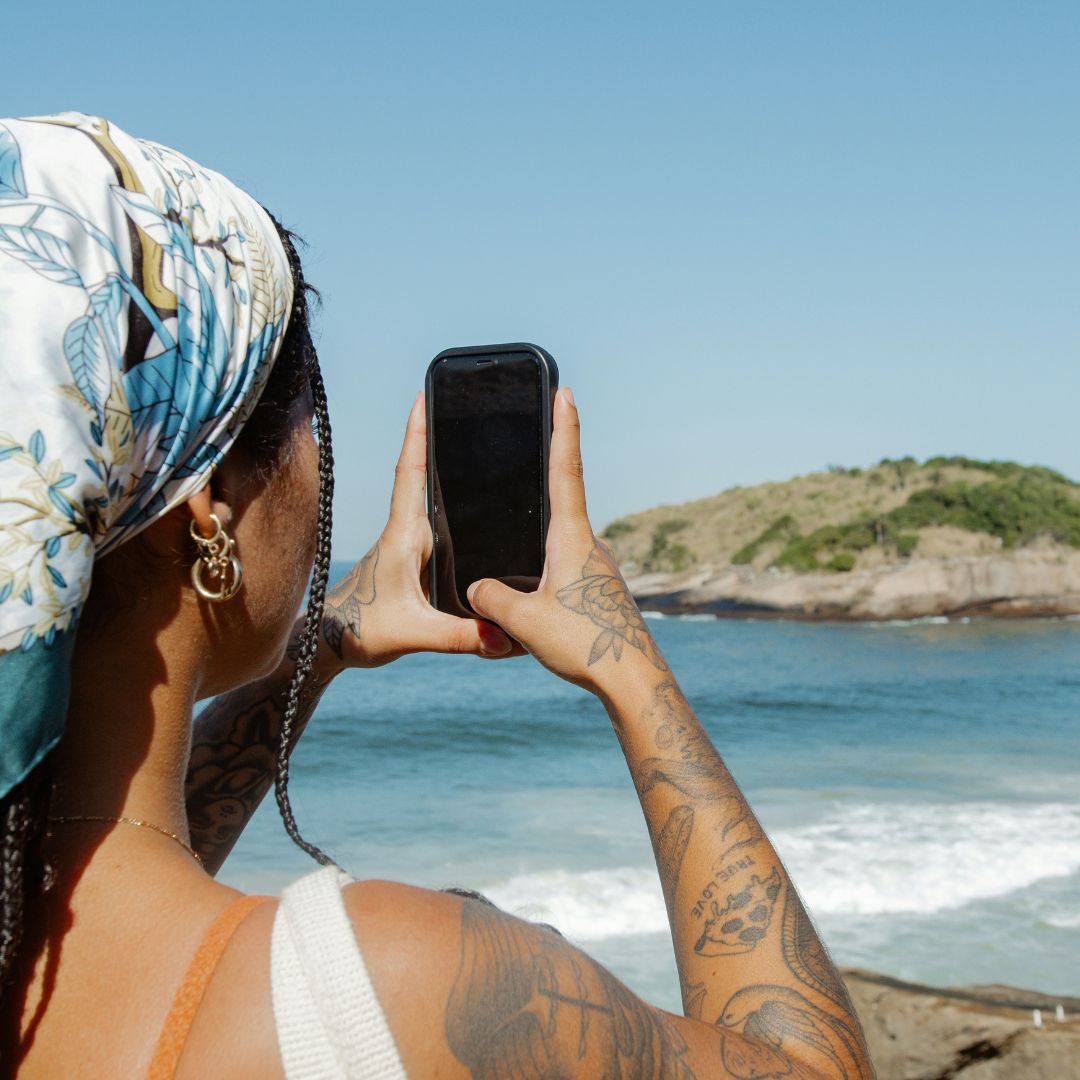
40% of Gen Z now use TikTok or Instagram instead of Google when searching for travel inspiration including where to stay, eat and explore.
For hotels, this shift means your social media presence is no longer just about brand awareness. It’s about discoverability. Guests are turning to platforms like TikTok and Instagram to search for hotels, compare stays and ultimately choose where to book.
They’re looking up things like “best boutique hotel in Lisbon” or “cool hostels in Berlin with a pool” – and your content needs to be the one they find.
From 10 July 2025, Instagram content will begin showing up on Google’s search results. Your Reels, captions and carousels now act as SEO assets, both in-app and across the web.
If you’re not optimising your hotel’s content for Instagram and TikTok SEO, you’re missing one of the biggest organic booking opportunities in travel right now.
The shift: From social feeds to search intent
Here’s what’s changed:
- TikTok is overtaking Google as a search engine for Gen Z – it’s where they go to look up travel ideas, hotels, places to eat and things to do.
- Instagram content is set to be indexable by search engines – meaning your captions, alt text and hashtags contribute to your search visibility outside the app.
- Social content is being referenced in ChatGPT, Bing Copilot and Google SGE (Search Generative Experience) – AI-powered search results are pulling answers from high-performing digital content including socials.
This shift is reshaping how guests find and choose where to stay.
And it means social media – especially TikTok and Instagram – has officially become not only part of your SEO stack but an even more significant aspect of the guest purchase journey.
The new booking journey: social > search > decision
Social media is now the starting point for many travellers – not just for recommendations, but for inspiration itself.
Before any formal search, guests are scrolling through Reels and TikToks, exploring destinations, neighbourhoods, and the kinds of places that feel right for their trip. That moment of discovery often begins long before they know your brand exists.
As they narrow down their options, search becomes more intentional. They might type:
- “Best boutique hotels in Amsterdam for couples”
- “Cool hostels in Barcelona with a pool”
- “Design-led hotels near Time Out Market Lisbon”
This search behaviour increasingly happens on TikTok or Instagram, not Google.
What guests find during these moments – the videos, captions and creator content that surface – plays a defining role in which hotels they explore further, who they follow and who ultimately gets the booking.
Hotels that are showing up early in this journey – with content built around discoverability, intent and emotional connection – are the ones getting ahead.
Instagram SEO for hotels: The 6 key things to optimise
Instagram’s search capabilities have expanded massively – and now that it’s being indexed by Google, your posts need to be ready to do double duty: in-app and beyond.
Here’s what to focus on:
1. Username + display name
Your handle and display name should include key search terms.
- Include keywords people might be searching for.
- Example: @casanovalisbon | “Design-led hotel in Lisbon”
2. Bio
Write with clarity and discoverability in mind.
- Use clear, searchable language – not just quirky lines.
- Example: “Boutique aparthotel in London with a rooftop bar + coworking”
3. Captions
Write with intent. Think about what someone might search, not just what you want to say. Use natural language that reflects how guests describe your offering.
- Example: “Looking for a family-friendly hotel in Seville with a pool? We’ve got you.”
4. Alt Text
Alt text was originally designed for accessibility, but Instagram also uses it to understand what your content is about which supports discoverability.
It’s not the same as stuffing in SEO keywords but writing clear, descriptive alt text with relevant search terms naturally included can help.
- Example: “Guests enjoying sunset cocktails at rooftop bar in central Rome.”
5. Hashtags
Hashtags aren’t dead – but they’re not your SEO strategy. Think of them as supporting tags, not the main driver. Instagram now relies more heavily on semantic search (what your content actually says and shows) than on hashtags alone.
But using a few targeted ones can still help categorise your content and get it shown in niche searches.
TikTok SEO for Hotels: How to get found by cold audiences
TikTok is a cold discovery engine, meaning most of the people who see your content have never heard of you before. This is where many hospitality brands go wrong: they post content for people who already know them.
But to win on TikTok, you need to create content for people searching, not just people following.
Here’s how to show up in the right places:
1. Use search-driven hooks in your opening line
The first few seconds of your TikTok are crucial. Use keywords that mirror how people search so the algorithm understands your content and serves it up to the right audience.
Examples:
- “Best budget-friendly hostels in Dubrovnik”
- “Where to stay in Paris if you’re on a solo trip”
- “Hostels that feel like boutique hotels (but cost way less)”
2. Add keyword-rich text on screen
Text overlays are indexed by TikTok’s algorithm, so make them count. Use simple, scannable phrases that highlight what your video is about, especially on the opening frame.
Examples:
- “Ulimate sustainable hotel in Barcelona”
- “Best hostels in Europe for digital nomads”
3. Write natural, intent-led captions
Captions help reinforce what your video is about. Keep them short and clear, as if you were answering a search query in a sentence.
Examples:
- “Boutique hostel in Berlin perfect for solo travellers”
- “Affordable hotel in Seville with rooftop pool”
- “Quiet coworking-friendly stay in Budapest”
4. Include location and niche hashtags
Hashtags aren’t the main driver of discovery, but they still help categorise your content. Use a few targeted ones based on location, traveller intent and your hotel’s vibe.
Examples:
- #EuropeHostels, #MexicoTravel, #SoloTravelTips, #DesignHotels, #UKHotels, #SustainableHotels
5. Pin your top-performing content
Once someone lands on your TikTok profile – especially from search – you’ve got a few seconds to keep them interested. Pin videos that showcase your best features, answer common questions or consistently perform well with views, saves or comments.
Think of your pinned videos as your digital storefront – make them work hard.
What to pin:
- A fun creator collab showing off your vibe
- A guest room tour that went semi-viral
- A “things to know before you book” guide
- A value-packed list of things to do nearby
What kind of content works best for social SEO?
Your goal isn’t to simply post for the sake of posting, or sharing something that looks nice. Brands who succeed in driving direct bookings via socials are those that create content that mirrors real search behaviour and matches what potential guests are already looking for.
When someone searches “best aparthotels in Porto” or “best boutique hotels in New York for solo travellers,” your content has a chance to surface. But only if it’s been designed to meet that kind of intent.
That means your highest-performing content probably won’t be a “book now” post. Instead, it’ll be the one that answers a question, gives someone a feel for your guest experience or shows up right when they’re in the early stages of planning a trip.
Here are content types that consistently perform well on both Instagram and TikTok, and that align with how users search:
1. POV room tours
Guests want to visualise exactly where they’ll be staying. Short, punchy videos from a guest’s-eye-view build trust and help them imagine themselves in the space.
Think:
- “Here’s what it’s like staying in our jungle-view suite in Ubud…”
- “This €29/night hostel room in Porto surprised me…”
2. Local area guides
Be the go-to for “what’s around.” This kind of content ranks well and builds authority and relevance for your hotel in a location-based search.
Think:
- “5 must-visit brunch spots near our hotel in Shoreditch”
- “Things to do in Paris if you’re staying in the Marais”
3. Day-in-the-life content
This builds emotional connection and gives context to your offering. Show what it’s like to actually be your guest.
Think:
- “24 hours at our boutique hostel in Cape Town 🇿🇦”
- “A work-from-anywhere day at our Lisbon aparthotel ☕️💻”
4. FAQs focussed posts
People are already searching for this info. Answer common questions with clarity and personality – they’ll show up in search and reduce guest friction.
Think:
- “Yes, we have parking (and this is where to find it)”
- “What’s included in your stay? All of this…t”
5. Creator collaborations
Let aligned creators show off your experience through their lens. Not only does this give you access to new audiences, but it creates content that’s highly trusted and engaging.
Think:
- “I stayed at the coolest new sustainable hotel in Madrid – here’s what it was like”
- “Come with me to explore this hostel in Thailand that felt like being on White Lotus”
6. Behind-the-scenes moments
Content showing your team, rituals or what makes your space special builds trust and brand warmth – also, people are really nosey and want to see what’s going on on the daily. It also performs well algorithmically because it humanises the brand.
Think:
- “How we set up every guest room at 6am”
- “Meet the team who makes the best coffee in Amsterdam ☕️”
Tip: When creating these content types, use the keywords your guests are searching. This means phrasing your titles and captions the way they speak, not like marketing copy.
Where to find real guest search terms
If you’re stuck on what to post, start by listening. The most powerful content doesn’t come from marketing brainstorms. It comes from the actual questions, pain points, and curiosity your guests already have.
Here’s how to tap into real guest search behaviour and turn that insight into content that drives discovery:
1. Use TikTok’s in-app search bar
This is one of the fastest ways to see what people are searching for right now. Start typing keywords like:
- Your city + “hostel” / “hotel” / “stay”
- “Where to stay in [location]”
- “Best hotels for solo travel [location]”
- “Things to do near [neighbourhood]”
TikTok will autofill based on real-time, high-volume searches, giving you ready-made content ideas.
Tip: Tap on a search result and look at the top videos – what format did they use? How did they hook the viewer? What comments did they get?
2. Read the comments on similar content
The comments section of popular Reels and TikToks is a goldmine. Look at what users are asking under content from hotels, hostels, creators or guides in your area.
Common themes might include:
- “Do they have private rooms?”
- “What’s the WiFi like?”
- “How far is this from the centre?”
- “Can you work remotely from here?”
Every comment is a potential piece of content, or a way to reframe your messaging around guest needs.
3. Dig into Reddit
Subreddits like r/solotravel, r/digitalnomad, r/travel, and r/backpacking are full of travellers asking for recommendations, help and reassurance.
Search for posts that mention your city or type of accommodation. You’ll often see detailed, unfiltered conversations about:
- Safety concerns
- Price comparisons
- Neighbourhood vibes
- Real guest expectations
Use this to fuel content like:
- “What’s the safest area to stay in Bogotá?”
- “How much does a hostel in Rome really cost right now?”
- “Which Cancun hostels are best for digital nomads?”
4. Ask your front desk team
Your staff are sitting on content gold because they hear real-time questions every day. Ask them:
- What do guests ask the most when they check in?
- What confuses them on the website?
- What do they seem most excited or nervous about?
Turn those insights into videos, FAQs or story-style posts.
5. Look at your own search data
If you have a blog or receive search traffic to your site, use tools like Google Search Console to check:
- What search terms are bringing people in?
- What pages get the most organic traffic?
- What keywords are you almost ranking for?
Even a few data points here can spark smart social content.
6. Ask your community directly
Use Instagram Stories or your broadcast channel to run mini polls or Q&As and let guests shape your content. It builds engagement and helps you create exactly what they need to see.
What about AI search tools like ChatGPT + Google SGE?
Search is changing – fast.
More and more travellers are turning to AI tools like ChatGPT to plan trips. Instead of scanning 10 blue links on Google, they’re asking a question and getting a curated, conversational response.
In fact, a recent Gartner report found that 35% of Gen Z and Millennial travellers now use AI tools like ChatGPT or Google SGE during the trip planning process – and that number is only expected to grow.
That means your hotel or hostel might now show up in an AI-generated answer without the guest ever landing on your website.
So, how do you increase the chance of being included?
You need to optimise for GEO: Generative Engine Optimisation. This is the evolution of SEO, where AI tools pull together answers from a wide mix of sources to generate recommendations. Your content needs to be indexable, credible and contextual enough to be included.
Where ChatGPT, SGE and other AI tools get their answers:
Google-indexed content: AI tools rely heavily on well-optimised websites. If your hotel website answers questions like “Is breakfast included?” or “Best hostels for digital nomads in Lisbon,” and it’s structured clearly, you’re far more likely to appear in AI-generated search responses.
Tip: Structure your site like a resource – not a brochure. Use natural language, H2 headings, FAQs, and location keywords.
Reputable travel blogs, publisher content and digital guides: AI tools tend to pull from authoritative third-party sources. That means if your hotel has been featured in a respected online travel article, guide or review, your visibility increases.
Tip: Pitch your brand to bloggers, journalists or digital magazines that cover your destination or hotel type. Use PR strategically to build not just backlinks but AI visibility.
Public-facing social content with keyword clarity: Yes, ChatGPT and Google SGE pull signals from Instagram, TikTok, and YouTube, especially when content has clear descriptive caption, strong engagement and natural use of keywords like city names, property type, features etc.
That means a TikTok titled “Boutique hotel in Seville with rooftop yoga” might contribute to an AI answer for someone searching: “Best wellness hotels in Seville for solo travellers”
Tip: Always write captions like you’re answering a guest’s question. Avoid vague one-liners. Be intentional with your keywords.
Why GEO matters for hotels
When someone types:
- “Best hotels for families in Menorca”
- “Hotels in Barcelona near the beach with coworking”
- “Cool affordable stays in Amsterdam with late checkout”
AI tools may respond with a shortlist curated from the content already out there.
If your hotel isn’t actively producing helpful, descriptive, keyword-optimised content, you won’t be part of the answer.
How to prepare for the rise of AI-driven search:
- Make sure your website is crawlable, structured and speaks the way guests search
- Secure mentions on external sites and media outlets
- Create public social content that clearly describes your offering in human language
- Align your captions, headers and alt text with real guest intent
- Answer the exact questions guests ask in your content — in blog posts, videos, Reels, and carousels
The takeaway? AI isn’t replacing search but instead rewriting how search works. And your social + website content now plays a direct role in how and where you show up.
So to summarise…
Guests are searching differently and hotels need to market differently.
TikTok and Instagram are where decisions start. Not just for inspiration, but for comparisons, validation and intent to book.
Hotels that treat their social channels like search-powered sales tools will be the ones guests find first – and remember. The ones that answer real questions, speak to real needs, and show up in the moments that matter.
If your content isn’t positioned to be discovered, it’s not doing its job.
This is your moment to take control of your brand’s visibility and turn content into bookings.
Need support building a strategy that drives visibility and bookings for your hospitality brand?
We help innovative hospitality concepts create social content that’s built for discovery and conversion. From SEO-smart captions to Reels and TikToks that turn scrolls into stays, drop us a message if you want in: hello@staythenight.net
