Something fundamental is shifting in how people travel.
People used to go on trips based on destinations alone but now they’re choosing based on feelings and energy. They’re choosing places that reflect who they are – or who they want to be.
Across Europe and beyond, we’re seeing hospitality concepts evolve in response. Multi-use spaces, wellness-led programming, community-driven design and loyalty built around belonging rather than points alone – and that’s just to name a few.
At the same time, the way people discover and evaluate these spaces has completely transformed. TikTok is used like a search engine, social content appears in Google results and AI tools summarise recommendations before a guest ever lands on your website. The decision-making journey is fragmented, emotional and increasingly algorithm-led.
And when cultural travel trends shift, marketing has to shift with them.
In ALL Accor x Globetrender’s latest 2026 trend report, the hospitality company highlights eight major behavioural themes shaping the year ahead – from collective joy and immersive spaces to nostalgia, nature and status-driven experiences.
Below, we unpack these eight themes – and more importantly, what they mean for hospitality brands that want to stay visible, relevant and commercially strong in 2026.
#1 THE ENDORPHIN ECONOMY
According to the report, 89% of travellers agree that live events give them a natural high that’s worth travelling for.
This means people aren’t just booking tickets and trips. Instead, they’re booking the feeling that comes with it. The rush of a sold-out gig. The buzz of a festival weekend. The shared euphoria of a sporting event. The collective inhale before the lights go down. Travel has become one of the most accessible ways to experience that emotional spike.
For hotels, this is clearly huge. Because if nearly nine in ten travellers are willing to travel for a moment, then your role is to position yourself as part of the emotional build-up and the afterglow.
That means:
- Creating content around what’s happening in your city before your guests even start searching
- Optimising social posts and captions around event-led queries (“where to stay for X festival,” “best hotel near X arena”)
- Running short-burst paid campaigns aligned to key dates
- Partnering with event organisers or artists for digital PR angles
- Designing personalised packages that feel culturally relevant and are genuinely aligned with your target market’s needs
- Building searchable content across TikTok and Instagram that connects your brand to those emotional peaks. If someone searches “where to stay for Primavera Barcelona” on TikTok, you want to exist in that conversation
The brands that succeed are those part of the energy people are travelling for in the first place.
#2 HYPER PLAYGROUND
There’s a clear shift happening in how people want to experience places. They’re not satisfied with just checking in, ordering a drink and heading to their room. They want to engage, create, move and ultimately, feel part of something.
Across hospitality, we’re seeing the rise of immersive, interactive environments. Spaces that feel more like cultural hubs or playgrounds than traditional hotels. We’re talking supper clubs that turn into dance floors, coworking spaces that double as networking arenas and rooftop yoga that becomes a social ritual.
Travel has become an outlet for stimulation, especially in a world where so much of life is screen-based and sedentary. Guests are actively looking for spaces that give them something to do, not just somewhere to stay the night (hey, see where we got our name!).
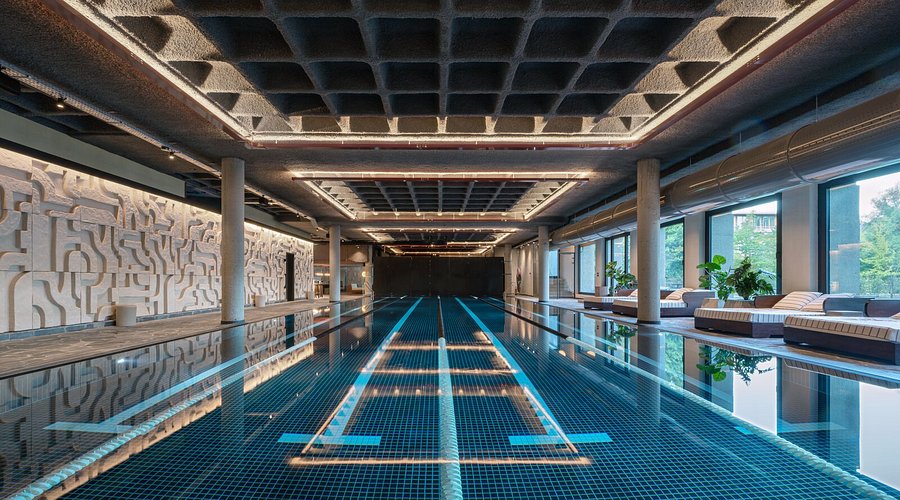
Many hybrid concepts are already built around energy and interaction. But too often, the marketing focuses on aesthetic versus the actual atmosphere. Beautiful spaces get photographed but how does the vibe get effectively showcased online?
If the energy of your space isn’t visible online, it won’t factor into the decision-making process. And crucially, interactive experiences are highly searchable.
People aren’t just looking for “hotel in Barcelona.” They’re searching “fun social hotel Barcelona,” “hostel with events in Berlin,” “cool places to stay with friends Lisbon.”
If your content doesn’t align with those behavioural searches, you disappear from that discovery journey.
From a marketing perspective, this means you should:
- Prioritise movement-led content over static imagery. Show the chess tournament in the lounge, the DJ soundcheck, the workshop mid-flow
- Build recurring event formats that guests recognise and anticipate, turning them into defined content pillars across social and email
- Optimise captions, on-screen text and bios around experience-led keywords so your programming surfaces across TikTok, Instagram and Google
- Use short-form video and YouTube Shorts to give viewers a fast, emotional sense of what it feels like to participate
- Align paid social messaging around participation and energy – swap “Book Now” for “Join Us”
- Capture high-intent experiential searches via Google Ads, particularly around “social hotel,” “events hostel,” or location-specific programming queries
It’s important to understand here that participation drives memory – and memory drives return visits. Concepts such as MIX Brussels do this well, blurring the boundaries between hospitality, coworking, wellness and social programming and designing spaces that invite movement and interaction.
#3 PORTABLE LIFESTYLES
Remote work has permanently reshaped how people structure their lives and their routines as well as their expectations of travel.
Since the pandemic, flexibility has moved from optional to expected. Hybrid work schedules are normalised, digital nomad visas continue to expand and entire industries now operate across borders. As a result, travellers no longer see trips as a pause from “real life,” but as an extension of it. They expect to go about their daily lives and continue with their morning workouts, work rhythm and creative habits. Even pets are now taken along on trips instead of being left behind at home.
This maintenance of their usual lifestyle while travelling isn’t a niche trend either – nearly all travellers say it is important to them. It’s a widespread behavioural shift and this rise of fluid living – where the boundaries between short stay and long stay, work and leisure, local and global are increasingly blurred – is something we explore in our latest hybrid hospitality white paper which you can read here.
Brands such as Outsite, Zoku and VALO Hotel & Work have built entire operating models around this integration of life and stay. Here in the UK, SeaSpace also positions itself as a coastal base for work, creativity and community rather than a traditional hotel.
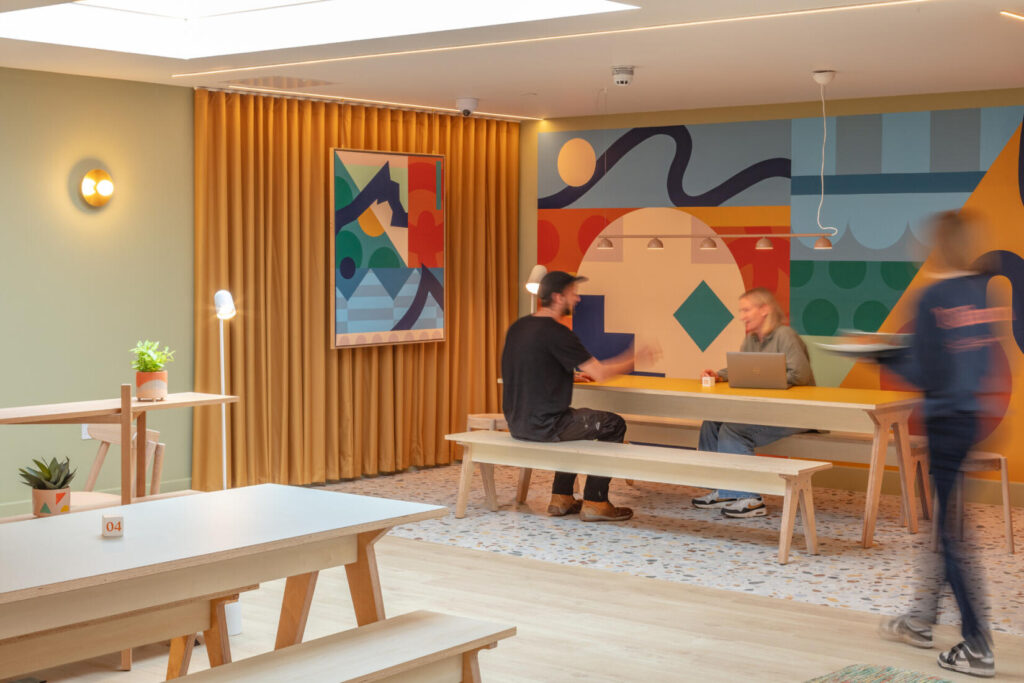
For hospitality brands, the commercial implication is significant. Guests are not only assessing whether your space looks appealing; they are evaluating whether it supports the full rhythm of their day. Can they take calls comfortably? Is there reliable WiFi and appropriate seating? Does the space allow for wellness routines, social interaction and downtime in equal measure? Does it accommodate longer stays without feeling transient? Is it possible to conveniently complete regular chores such as cooking and washing clothes?
Because this behaviour is now mainstream, it is also highly visible in search patterns. High-intent queries such as “hotel with coworking Lisbon,” “monthly stay Barcelona,” “pet-friendly hotel Berlin” or “digital nomad friendly accommodation” reflect this demand for integration rather than escapism. If your marketing does not explicitly communicate how your space supports real life, you will struggle to appear in those discovery moments.
From a marketing and performance perspective, this shift requires structural clarity:
- Build dedicated landing pages for long stays, remote work and pet-friendly options, rather than burying this information in FAQs or generic room descriptions
- Use Google Ads to capture high-intent searches around “monthly stay,” “remote work hotel,” “long stay discount,” and similar terms that signal commercial readiness
- Leverage paid social to target remote workers by interest, profession or behavioural signals, focusing on lifestyle integration rather than just room aesthetics
- Showcase functional, real-life use cases in your content – guests working, training, cooking, connecting – so your concept feels operational and aspirational
- Segment email flows for long(er)-stay enquiries, coworking members and returning remote guests, recognising that their booking journey differs from that of a weekend city-break visitor
- Protect branded search terms to ensure that returning long-stay guests book direct rather than defaulting to an OTA
The brands that respond effectively to Portable Lifestyles are those that position themselves as infrastructure for modern living, offering spaces where guests can sustain their daily routines while also enjoying the freedom of being on the move.
#4 SOCIAL WELLNESS
Wellness is no longer positioned purely as an individual pursuit of optimisation. Increasingly, it is experienced – and valued – collectively.
Across cities globally, we are seeing the growth of run clubs, group sauna sessions, breath work circles, community cold plunges and shared dining rituals designed around intentional connection. Travellers are seeking experiences that help them feel healthier and more balanced, but they want to achieve that feeling alongside others.
Research shows that 84.5% of travellers crave deeper, in-person connection during their free time or while travelling, signalling a clear shift from solitary self-improvement toward shared wellbeing.
For hospitality brands, this changes the narrative entirely. Listing spa facilities or gym square footage is no longer enough. Guests are responding to the atmosphere of participation – the ritual of a recurring yoga class, the energy of a communal workout, the familiarity of a weekly supper club.
This is because belonging is becoming a primary driver of loyalty. Guests return to places where they feel integrated into something larger than their room booking. Community, when structured deliberately, creates repeat visitation and advocacy in a way transactional perks rarely achieve.
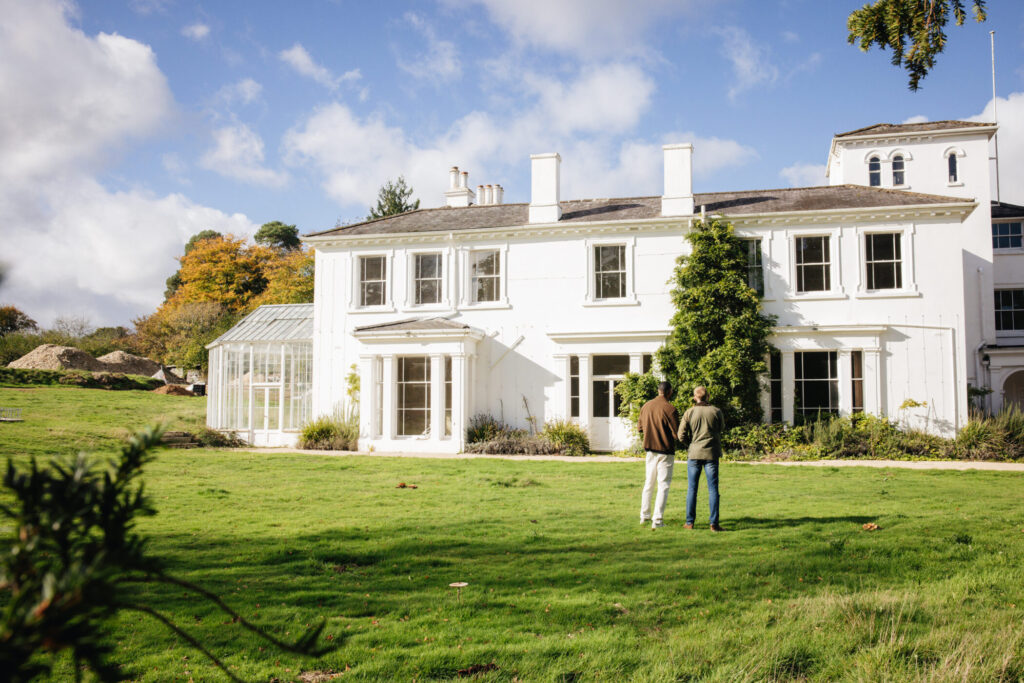
From a marketing and performance perspective, this shift has implications across channels. Search behaviour is evolving beyond “hotel with spa” toward more specific, experience-led intent such as “hotel with yoga classes,” “wellness retreat with community,” or “social hostel with run club.”
On social platforms, prospective guests evaluate inclusivity, energy and social atmosphere as much as physical facilities. AI recommendation tools are summarising brands based on the language used across websites and social content; if your messaging centres solely on things like massages and treatments, you risk underselling the experience.
To operationalise this shift:
- Showcase shared wellness moments in your content – classes in motion, group rituals, communal recovery sessions – rather than empty facilities
- Optimise website copy and social captions around experience-led search terms such as “community yoga,” “group sauna,” or “social wellness stay”
- Develop recurring wellness rituals that become recognisable content pillars across social and email marketing
- Use paid social to target interest-based audiences (run clubs, yoga communities, mindfulness groups)
- Integrate wellness programming into digital PR angles tied to burnout, modern work culture and community-led living
- Build email sequences that frame wellness as an ongoing relationship with your brand rather than a one-off treatment booking
Brands such as Mason & Fifth reflect this shift toward socially embedded wellness, designing programming around shared ritual and connection rather than isolated optimisation.
Long Lane goes further still. By building a sober hospitality model from the ground up, it taps into a fast-growing audience seeking conscious connection – and signals where wellness-led hospitality could generate its next wave of demand.
In 2026, wellness is increasingly relational. Brands that communicate this clearly – and build marketing ecosystems around shared experience rather than solitary indulgence – will find themselves positioned as spaces where guests feel connected, supported and part of something enduring.
#5 EARTH SYNCING
There is a growing sense that modern life has drifted out of rhythm.
Work stretches across time zones, notifications override daylight cues and seasons blur into one continuous stream of productivity. It is little surprise that 59% of people say they feel disconnected from natural rhythms – whether that relates to time, light, energy or the changing seasons. At the same time, 69% of travellers actively seek being outdoors when they travel.
Travel can offer something daily life fails to provide: a reset when it comes to pace. It allows people to wake with natural light rather than alarms and to move according to landscape rather than calendar invites. This is the essence of Earth Syncing – a desire to align with the steadier patterns of the planet and, in doing so, restore a sense of balance.
In 2026, this is likely to manifest as travellers deliberately choosing slower, more grounded experiences. Coastal stays shaped by sunrise swims. Mountain retreats centred around hiking routes. Countryside properties built around harvest cycles. Even urban hotels that meaningfully integrate green space, outdoor rituals and seasonal programming. The commercial driver here is serenity.
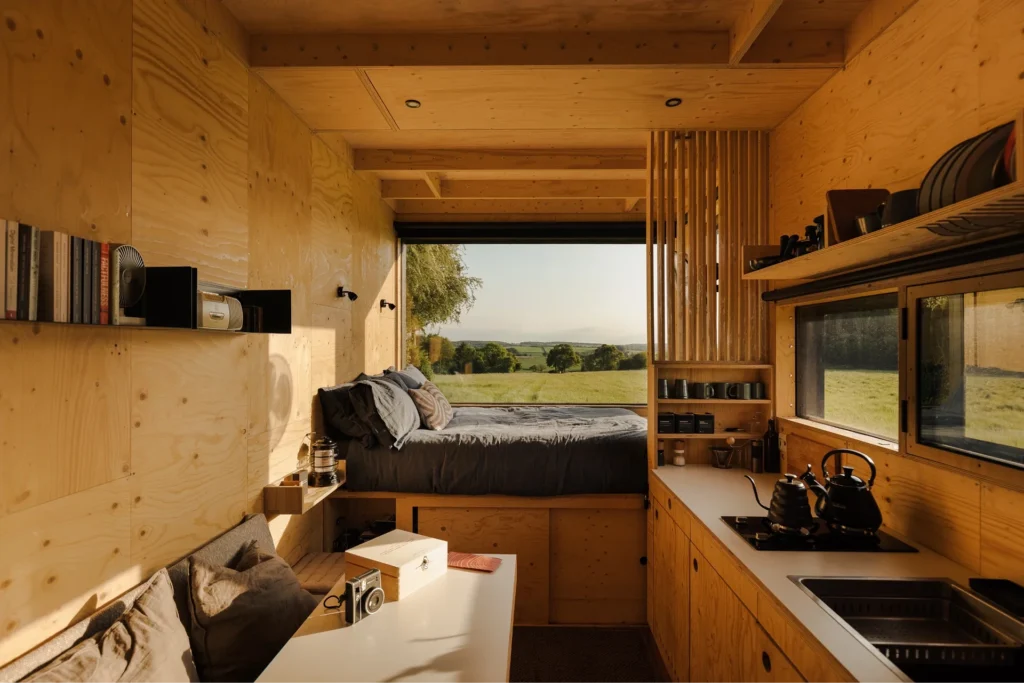
Brands like Unplugged have built their positioning entirely around this desire for reconnection with natural rhythms. By intentionally removing digital distractions and building off-grid cabins, they demonstrate how powerful environmental alignment can be as a commercial differentiator.
As a hospitality brand, it requires more than surface-level sustainability messaging or decorative greenery. Guests are increasingly evaluating whether your concept feels connected to its environment in a way that is genuine. The authenticity of that connection influences search behaviour, content engagement and booking decisions.
From a marketing and performance standpoint, Earth Syncing translates into several tangible opportunities:
- Develop seasonally driven content and campaigns that reflect natural cycles – solstice events, autumn resets, spring renewal stays – rather than generic calendar promotions
- Optimise website copy and landing pages around high-intent search queries such as “nature stay near London,” “hotel near hiking trails,” or “wellness retreat countryside.”
- Use Google Ads to capture demand around outdoor and slow-travel keywords, ensuring your brand appears when intent is already present
- Target paid social campaigns toward interest groups aligned with outdoor activity, slow living and eco-conscious travel, using messaging that emphasises rhythm and restoration rather than luxury alone
- Showcase movement and pace in your visual storytelling – morning light in rooms, guests walking local trails, seasonal menus being prepared – to communicate alignment with place
- Articulate clearly how your concept engages with its environment, from local producers to landscape integration, so AI summaries and search engines accurately reflect your positioning
The brands that resonate most strongly with this shift demonstrate a genuine relationship with their surroundings. They do not class a garden area as being ‘at one with the earth’. They’re absolutely immersed in it.
And as more travellers seek experiences that feel steady in an increasingly accelerated world, that sense of alignment becomes not only emotionally powerful but commercially valuable.
#6 MEMORY LANES
In a fast-moving, AI-saturated world, nostalgia is becoming a powerful cultural force.
As technology accelerates and digital content becomes increasingly automated, people are gravitating toward experiences that feel emotionally familiar. There is comfort in analogue aesthetics, in design with visible history, in spaces that have personal, localised stories behind them. People are wanting to reconnect with something that feels authentic and human.
In hospitality, nostalgia rarely succeeds when it is reduced to themed décor or surface-level retro references. Guests are not responding to gimmicks – they see right through that and they’re not interested in trends. They want to see architecture that reflects heritage, music programming that feels culturally intentional and menus shaped by memories.
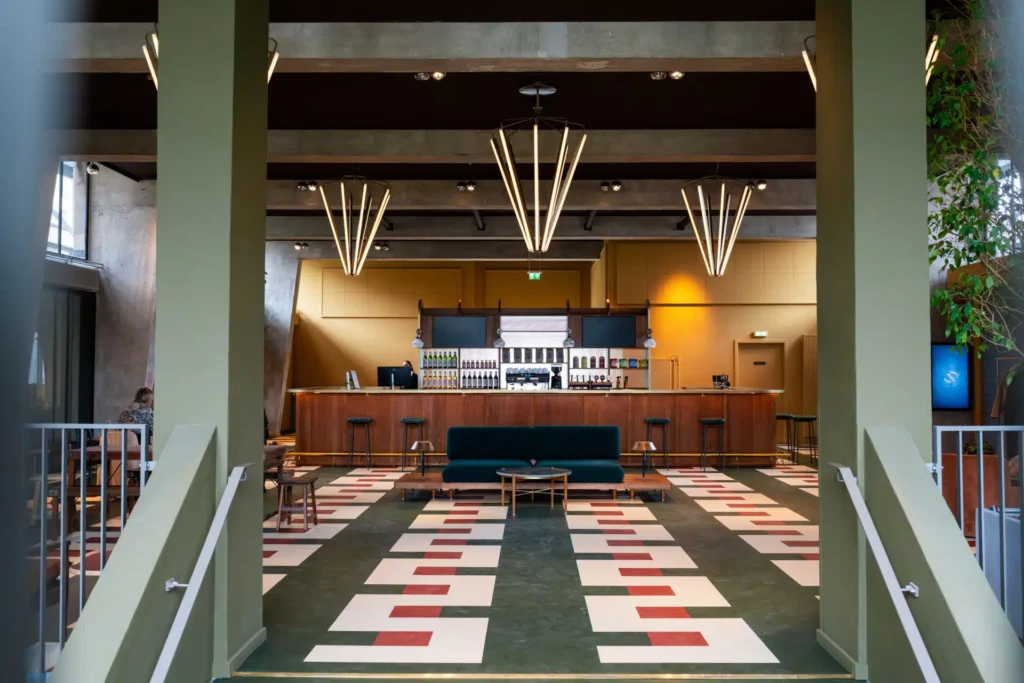
Properties such as Roberta’s Society and Chateau Denmark demonstrate how memory can be embedded into architecture and storytelling without tipping into cliché. Roberta’s Society occupies a former 1930s library and has carefully retained much of its original character, allowing the building’s past to shape the guest experience. Chateau Denmark, set along a street where the Sex Pistols once lived, the Rolling Stones recorded and Bowie and Hendrix spent time, has rooted its rooms and interiors in the area’s architectural and cultural legacy.
In terms of marketing, nostalgia is performing particularly well because it is inherently emotional. It invites commentary and reflection, encourages saves and sparks recognition. It also drives wider awareness as people see content and share with their friends as a ‘remember this’ moment. Travellers are actively searching for “vintage hotel London,” “art deco stay Paris,” “90s vibe restaurant Brussels,” or “retro hostel Berlin.”
To translate Memory Lanes into commercial impact:
- Invest in rich, story-led website copy that clearly articulates your aesthetic identity, architectural context and cultural references
- Optimise for aesthetic-driven search terms aligned with your design language (mid-century, brutalist, heritage-led, art deco, industrial, etc.)
- Produce short-form video content that spotlights design details, textures and historical narratives, not just wide room shots
- Build email campaigns around “the story behind the space,” deepening emotional attachment rather than focusing solely on promotional offers
- Encourage user-generated content that captures personal memories created in your space, reinforcing nostalgia through guest perspective
- Use digital PR to position your property within broader cultural conversations around heritage, craft and analogue revival
- Create themed packages and experiences that tap into your target market’s memories e.g noughties themed bottomless brunch, 1990s themed sleepover package
If the last decade of travel was defined by the race to document everything, Memory Lanes reflects a growing desire to dwell, savour and remember. The brands that succeed here are those that understand nostalgia as a strategic positioning tool and use it to build attachment that extends well beyond a single stay.
#7 UNFILTERED JOURNEYS
There is a growing fatigue around over-curated perfection.
For years, travel marketing has leaned heavily into polished imagery: immaculate interiors, flawless lighting, highly edited itineraries. But as feeds have become saturated with sameness, a counter-movement has emerged. Travellers are increasingly drawn to experiences that feel locally embedded and a little rougher round the edges. They want to discover places to eat, drink and visit through chatting with a local versus what a guide book states.
Bunk Hotels offers a strong example of a neighbourhood-first approach, converting unique buildings into culturally embedded hybrid spaces that are genuinely connected to their surroundings and utilised by both locals and guests.
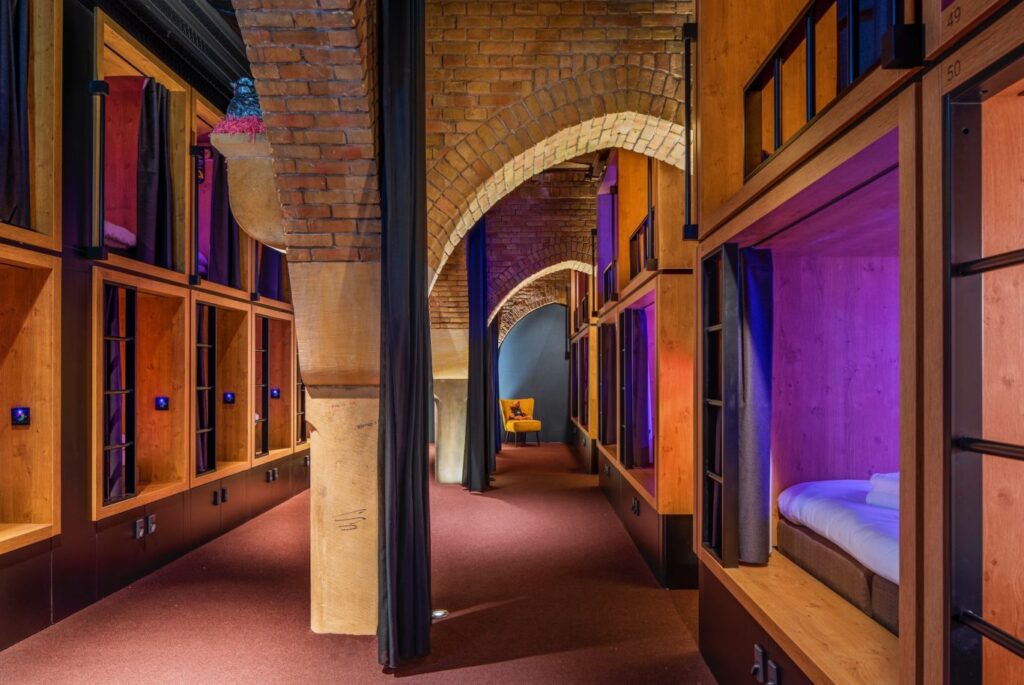
Paradoxically, this desire for the “unfiltered” is often initiated online. Guests use TikTok to search for hidden gems and Reddit threads to uncover neighbourhood tips. What they are looking for is authenticity. It doesn’t need to look the best for it to be the best anymore.
For hospitality brands, this presents a significant positioning opportunity. Properties that lean into their local ecosystem, showcase the personalities behind the scenes and frame themselves as gateways to a city rather than sealed-off bubbles are more likely to stand out and feel more trustworthy.
You can do this through:
- Showcasing behind-the-scenes content that highlights team members, neighbourhood collaborators and real guest interactions rather than empty, polished room tours
- Partner with independent local businesses and creators, integrating them into both content and digital PR strategies to strengthen cultural credibility
- Use paid social to amplify creator-led or UGC-style content that feels native to the platform rather than overtly branded.
- Capture high-intent searches through Google Ads around neighbourhood-specific queries, ensuring you appear when guests move from inspiration to booking
- Develop email storytelling that introduces subscribers to the surrounding community – restaurants, events, galleries etc – positioning your brand as an insider guide.
The brands that resonate most strongly in this environment are those that feel unmistakably human. The hostel sector, in particular, has long been best practice here. Brands such as Ostello Bello, Viajero Hostels and Latroupe are deeply embedded in their local communities, programming experiences that are rooted in neighbourhood culture instead of being staged for tourists.
#8 POINTS MAXXING
For decades, loyalty programmes in travel were built around predictability. Free flights, room upgrades and complimentary breakfasts offered incremental value, but they were largely transactional.
“Points Maxxing” reflects a growing behavioural trend in which travellers seek to redeem loyalty points not for marginal perks, but for access – access to events, encounters and environments that feel culturally significant and socially valuable.
According to recent research, 72% of travellers say the most valuable aspect of loyalty programmes is the opportunity to access unique or unforgettable experiences. What they want is not a better version of the same room, but entry into something they cannot easily purchase outright.
In an era defined by digital saturation and fleeting attention, prestige is increasingly tied to belonging, and not consumption. Being invited to a private dinner, gaining early access to a cultural event, or unlocking a members-only experience carries more weight than a standard upgrade ever could. These experiences become markers of cultural capital – signals that extend beyond the trip itself.
Ennismore’s Dis-Loyalty programme reflects this evolution. Rather than rewarding frequency with incremental upgrades, it offers members access, preferential rates across culturally distinct brands and a sense of insider belonging.
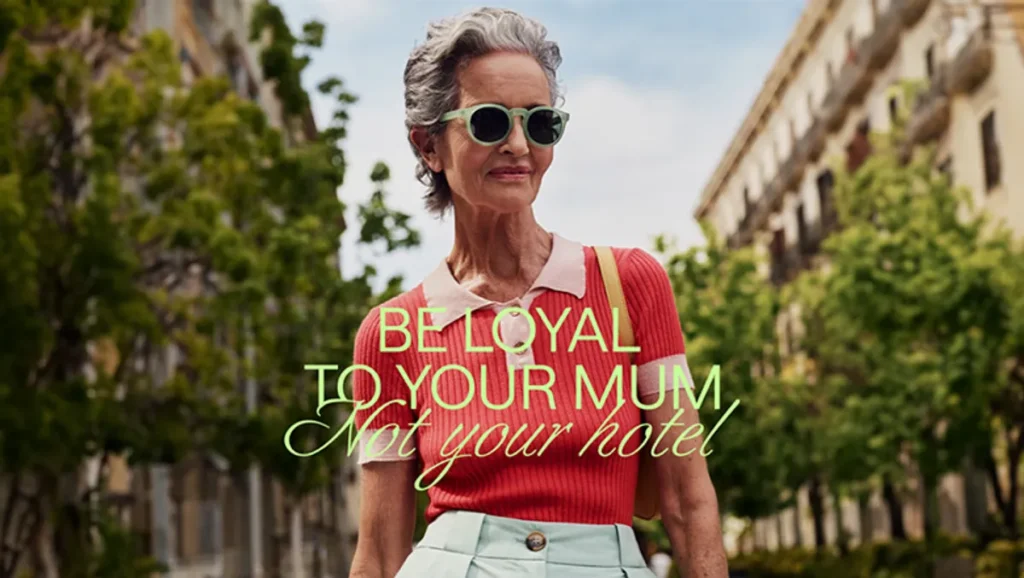
For hospitality brands, particularly hybrid concepts built around community and programming, this represents a structural opportunity. Loyalty should be integrated into events, collaborations and cultural activations. Because the commercial upside is significant.
From a marketing and performance perspective, Points Maxxing requires a recalibration of how loyalty is communicated and delivered:
- Reframe loyalty tiers around access and insider experiences rather than discounts or upgrades alone
- Integrate events, collaborations and cultural programming into your CRM strategy so members receive early invitations and exclusive entry
- Use email marketing to build anticipation around upcoming moments
- Leverage paid social to promote membership tiers or community access, targeting audiences aligned with your cultural positioning
- Protect branded search terms aggressively through Google Ads to ensure loyal guests return via direct channels rather than OTAs
- Measure loyalty success not just by frequency of stay, but by engagement with programming, referrals and community participation
In 2026, loyalty is evolving from a transactional mechanism into an emotional ecosystem. Brands that understand this will move beyond rewarding bookings and instead cultivate belonging.
Ultimately, these trends only become commercially powerful when you truly understand your target market. When you’re clear on who you serve, why they’re travelling and what they’re seeking – both emotionally and practically – you can sharpen your positioning, communicate effectively and drive covert more direct bookings.
Are you seeking additional marketing support for your accommodation concept? Email hello@staythenight.net or tap here to book a call with our specialist team.
